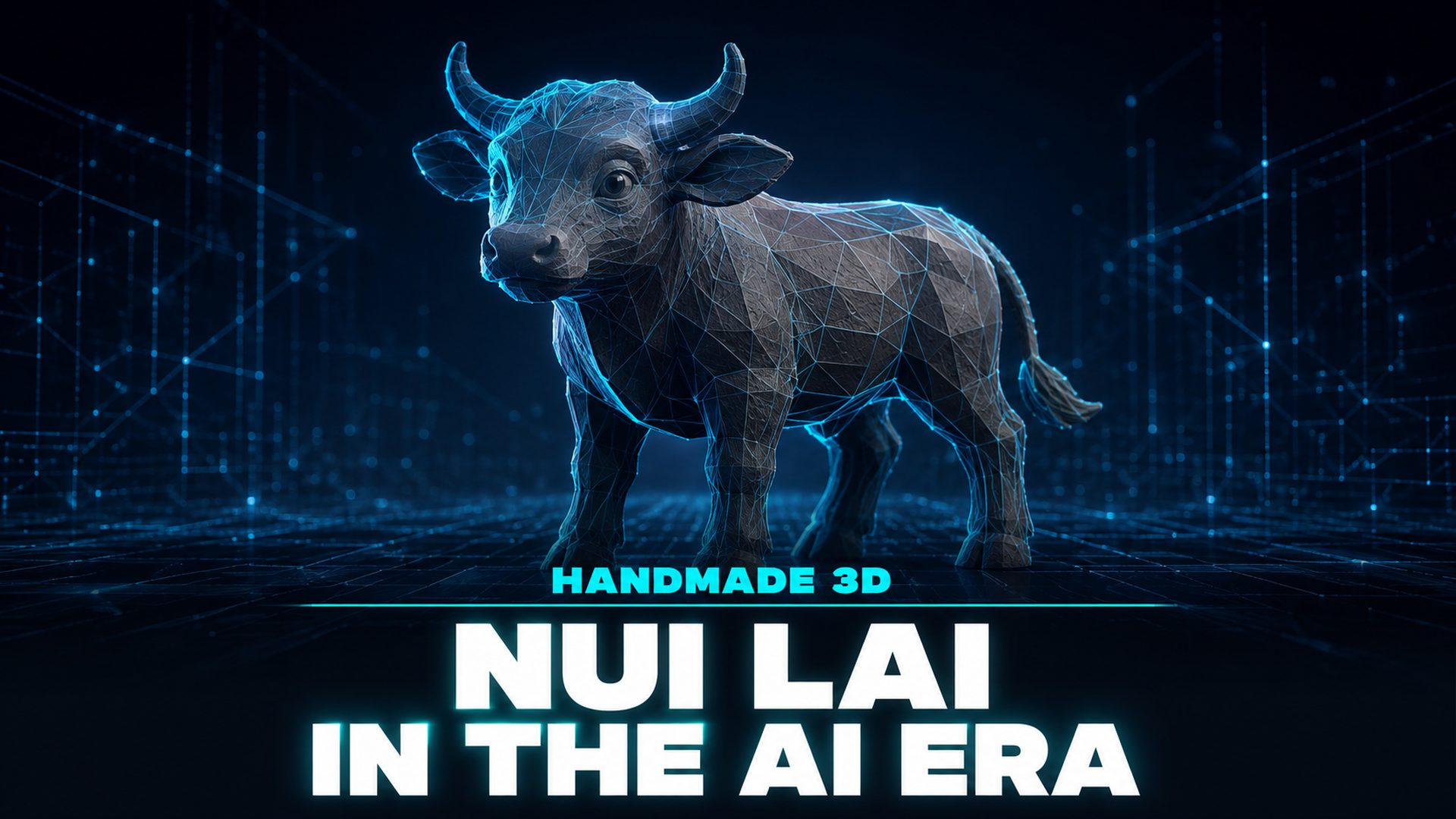
Niu Lai Movie: Why a Handmade 3D Animation Went Viral in the AI Era
Quick Summary
- Niu Lai Movie is a Chinese 3D animation handmade by a mother-son team over five years on second-hand hardware that went viral in 2026 for its rough 3D modeling and became an unexpected box office hit.
- Manual 3D modeling still matters in the AI era: the Niu Lai audience reaction shows that handcrafted animation carries an authenticity AI cannot replicate.
- Manual 3D modeling takes hours for a simple asset and weeks for a production character, while AI 3D generators reduce that to minutes.
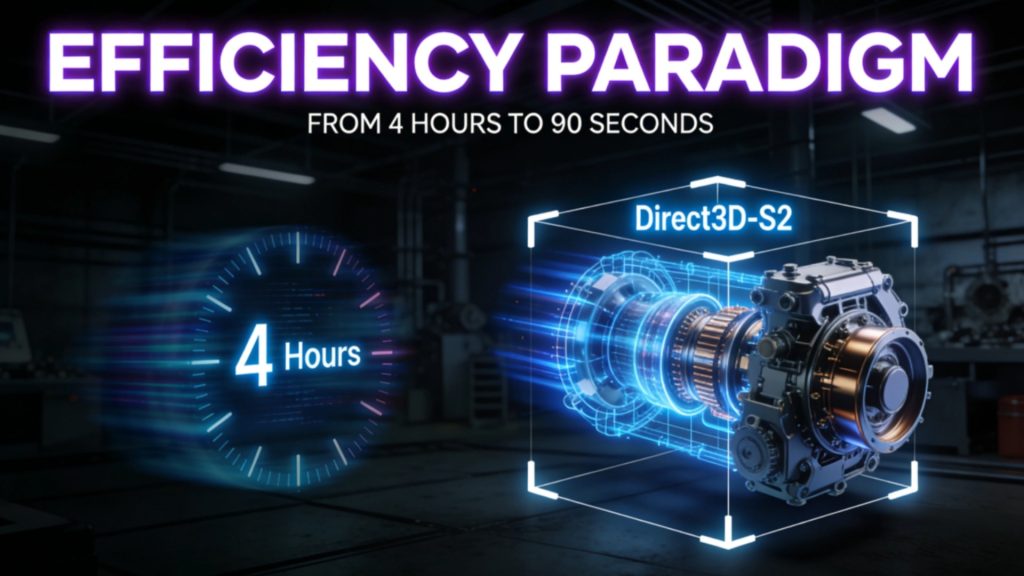
- Neural4D generates an untextured base mesh in about 90 seconds and textured, production-ready output in two minutes or more, giving creators the speed of AI with the control to art-direct the result.
Niu Lai Movie is a Chinese animated film made by a mother and son over five years that went viral in August 2026 for its rough 3D modeling and became an unexpected box office hit. Its success is a reminder that manual 3D modeling still matters in the AI era, and it raises a practical question for every creator: how long does 3D modeling actually take?
Table of Contents
- Part 1: The Niu Lai Story: Five Years, Two People, One Handmade Film
- Part 2: How Long Does 3D Modeling Take
- Part 3: Manual 3D Modeling vs AI 3D Modeling
- Part 4: Why Manual Craft Still Matters in an AI Era
- Part 5: Where Neural4D Fits: Lowering the Time Barrier, Not Replacing CraftHOT
- Part 6: Common Questions on Niu Lai and Manual vs AI 3D Modeling
- Create in Hours, Not Years
Part 1: The Niu Lai Story: Five Years, Two People, One Handmade Film
In August 2026, a Chinese animated film about a young ox went from playing to fewer than 300 people to national headlines. Niu Lai movie (牛来), released on August 5, 2026, earned just ¥7,169 in its first nine days. Then a viral clip of its stiff motion and rough models hit social media, daily ticket sales jumped, and by mid-August the cumulative box office passed ¥17.13 million, ranking it among China’s top ten animated films of 2026.
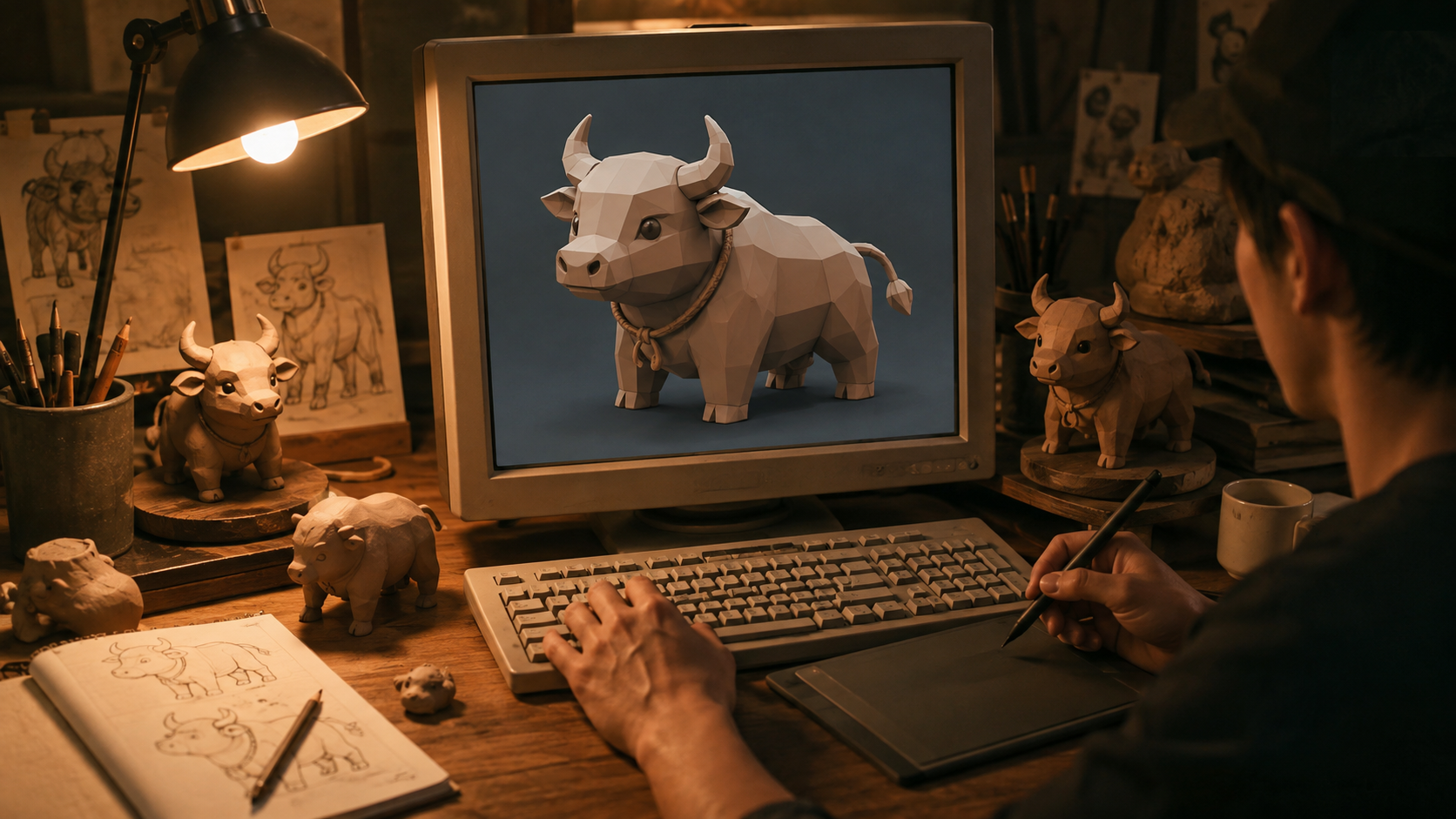
The Niu Lai movie was made by two people. Xin Yumeng and his mother Sun Lifang wrote the script, built every 3D model, animated the scenes, voiced the characters, edited the footage, and composed the soundtrack over roughly five years. The budget was a few thousand yuan, and the hardware was second-hand because new equipment was too expensive. The production company, Dalian Jingyuan Culture Film and Television Media, was originally an interior decoration business that converted to a media company in 2021.
Western coverage quickly framed the Niu Lai movie as a referendum on AI. The BBC noted that viewers “preferred the low-quality but human-made animation over AI art.” The rough models, visible seams, and imperfect motion became the film’s calling card rather than its shame. As the film’s Wikipedia entry records, it has been called one of the highest-returning investments in recent Chinese cinema, and its journey from empty theaters to viral success is now part of the broader manual vs AI 3D modeling conversation.
🎬 The Niu Lai numbers
First nine days: ¥7,169 from 236 people. After going viral on August 14: daily presales exceeded ¥100,000. Cumulative box office passed ¥17.13 million by mid-August 2026. Runtime: 86 minutes. Production time: five years. People on the team: two.
Part 2: How Long Does 3D Modeling Take
The Niu Lai timeline is striking for one reason: most of the work was 3D modeling, done entirely by hand. To understand what two people accomplished, it helps to look at realistic modeling times. A simple low-poly asset such as a prop or a basic object can take 30 minutes to 2 hours. A standard asset like a piece of furniture or a product model runs 4 to 12 hours. A detailed character with rigging and textures takes 1 to 3 weeks. A hero asset built for film quality can stretch to 2 to 6 weeks. Texturing and UV work alone can consume up to half of that total.
Now scale that to a full feature. A film contains thousands of assets, each with its own model, texture, rig, and animation pass. Walt Disney Animation Studios describes a typical animated feature taking three to five years with hundreds of artists. Ne Zha 2, a 144-minute film, took roughly five and a half years with more than 4,000 animators across 138 studios. Niu Lai’s two-person team worked in the opposite direction: no pipeline, no budget, no AI, only manual effort applied over five years.
For a full walkthrough of how individual models become a finished production, see our breakdown of a 3D animation pipeline. And if you are new to the craft itself, our primer on what 3D modeling is covers the full workflow from blockout to render.
| Asset type | Manual modeling time | What drives the time |
|---|---|---|
| Simple object or low-poly prop | 30 minutes to 2 hours | Polygon count, reference clarity |
| Standard furniture or product model | 4 to 12 hours | Detail level, material setup |
| Detailed character with rigging | 1 to 3 weeks | Sculpting, retopology, UVs, texturing |
| Hero film asset | 2 to 6 weeks | Film-grade detail, multiple revisions |
| Full feature film (thousands of assets) | 3 to 6 years with a studio team | Pipeline, rigging, animation, lighting |
⏰ The time reality
Manual 3D modeling time scales with complexity, not linearly. Texturing and UV mapping often account for up to half of total production time, and revisions add days to any schedule. This is why the five-year Niu Lai timeline is both an outlier and a logic problem worth taking seriously.
Part 3: Manual 3D Modeling vs AI 3D Modeling
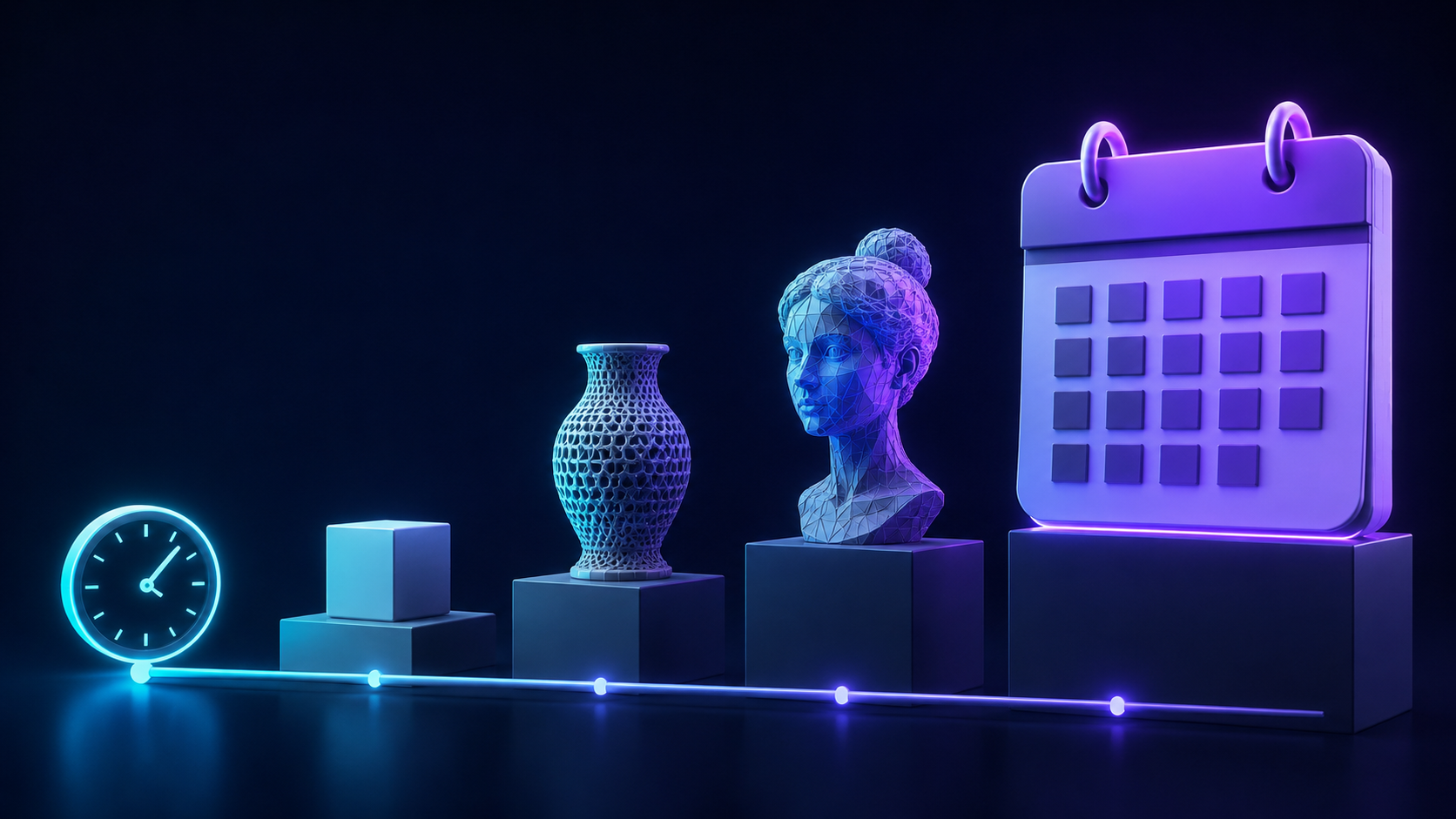
The Niu Lai story lands in the middle of a practical debate every 3D creator faces: manual 3D modeling vs AI 3D modeling. The numbers are hard to argue with. In a 2026 academic study, a hand-built scene took 716 minutes while the same scene with an AI-assisted pipeline took 238 minutes, a roughly threefold first-pass speedup. An industry benchmark put a composite object at about 6 hours of manual work versus 1.5 hours with generative AI.
The cost gap is just as large. A freelance textured model typically runs $200 to $400, and hero assets can reach $1,000 or more. AI 3D generation tools charge roughly $10 to $20 a month, or fractions of a cent per model on credit-based systems. That difference is why studios and indie developers are moving large parts of their asset pipelines to AI.
The tradeoff is control. AI output still requires cleanup for engine-ready topology, and free-form hero assets usually need a human pass. The industry consensus in 2026 is a hybrid workflow: AI for the first draft, humans for the final call. If you are weighing which path fits your project, our guide to choosing between AI and traditional 3D modeling walks through the decision in detail.
| Approach | Time per asset | Cost | Skill needed | Best use |
|---|---|---|---|---|
| Neural4D | About 90 seconds for an untextured base mesh; 2 minutes or more with PBR textures | Free tier with paid plans | A text prompt or reference image | Fast, production-ready base assets for games, printing, and prototypes |
| AI 3D generators | Seconds to minutes | $10 to $20 per month | Prompting and iteration | Prototypes, background props, mass asset generation |
| Manual modeling (Blender, Maya) | Hours to weeks | $200 to $400 per asset freelance | Months to years of training | Hero assets, art direction, precise topology |
Part 4: Why Manual Craft Still Matters in an AI Era
If AI is faster and cheaper, why celebrate a film made slowly by hand? Because the Niu Lai reaction proves something the market is still pricing in: manual craft carries value that speed alone cannot deliver.
Art direction is a human job
AI can generate many options in seconds. Deciding which option deserves to exist, what to keep, what to refine, and what to discard is judgment, and that judgment comes from craft. The mother-son team behind Niu Lai made every one of those calls themselves, and the coherence of the film’s rough style is the result.
Topology and control are earned, not prompted
Clean, editable geometry requires understanding edge flow, retopology, and UV layout. AI can approximate a shape, but production-ready meshes for games, animation, and printing still depend on an artist who knows how the mesh will be used. Manual 3D modeling skills are the quality control layer of every pipeline, including AI-assisted ones.
Hero assets need a human hand
Characters that have to carry a story, hold a camera, and survive an art director’s notes are rarely first-draft AI output. Niu Lai movie is an 86-minute hero asset: one central character the audience had to care about. That kind of consistent, art-directed design is where manual skill and taste still dominate.
The authenticity factor
The film’s marketing was its handcrafted texture. Viewers watched a film made by two people with limited tools and responded to the effort in it. No AI-generated short could produce that reaction, because the reaction is not to the image, it is to the story of the image. That is a reminder for every brand and creator producing 3D content: audiences can feel the difference.
None of this means AI is the enemy of craft. It means manual skills make AI output better. Every hour an artist spends refining matters more when the first draft arrives in minutes instead of weeks. The Niu Lai movie sits at one extreme of the same spectrum we covered in The Odyssey vs AI, where a $250 million practical-effects production represented the opposite pole: both are arguments that human process still shapes what audiences love.
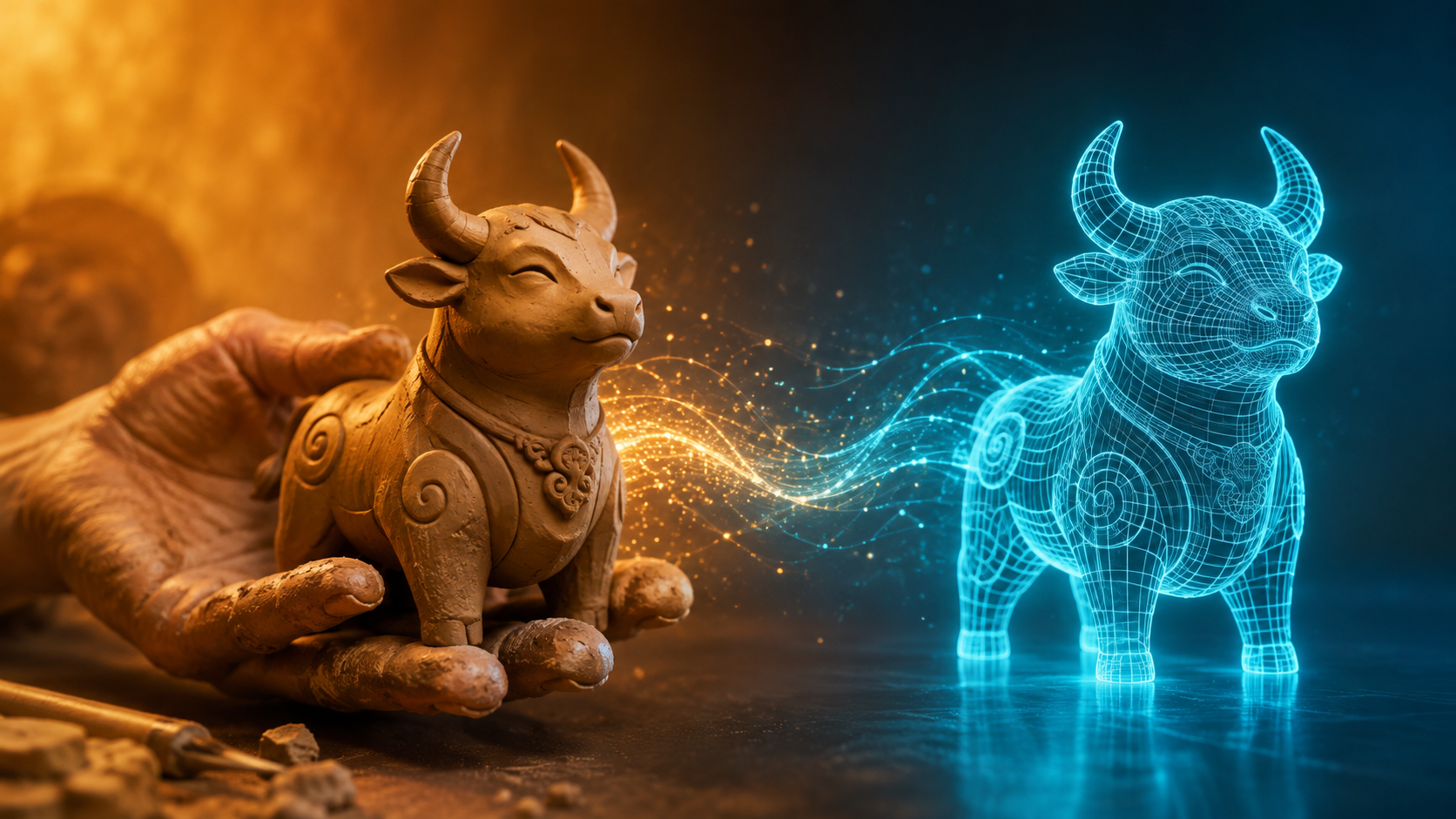
Start with AI, Finish with Your Craft
Turn a photo or a sentence into a clean base 3D model in minutes, then spend your time on the part only you can do.
50 free generations every week, no credit card required
Part 5: Where Neural4D Fits: Lowering the Time Barrier, Not Replacing Craft
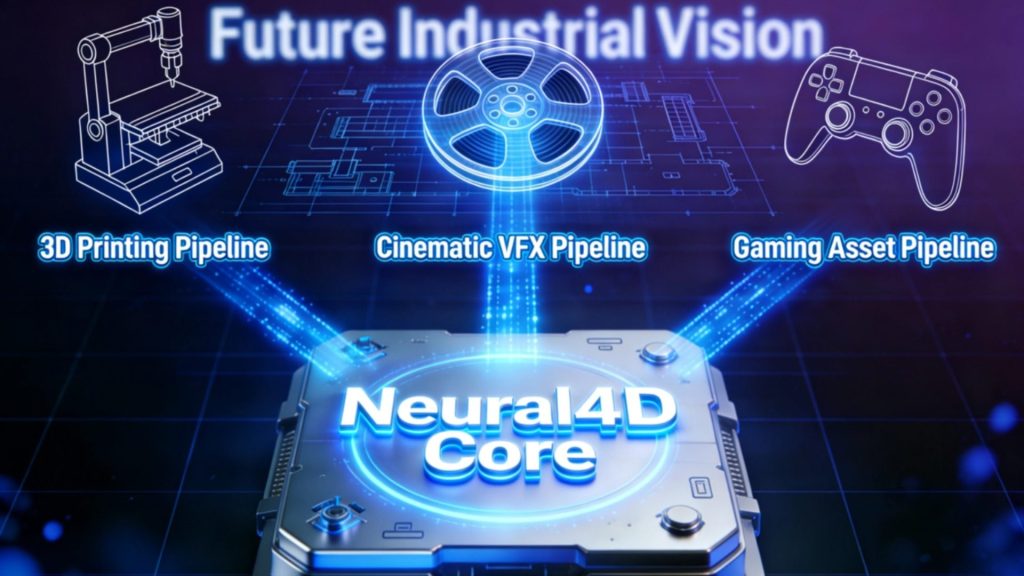
Neural4D does not claim to replace modelers. It removes the time barrier that the Niu Lai story made visible. Two people spent five years to hand-build one film. A single creator using an AI 3D generator can move from idea to a solid base model in the time it takes to make coffee.
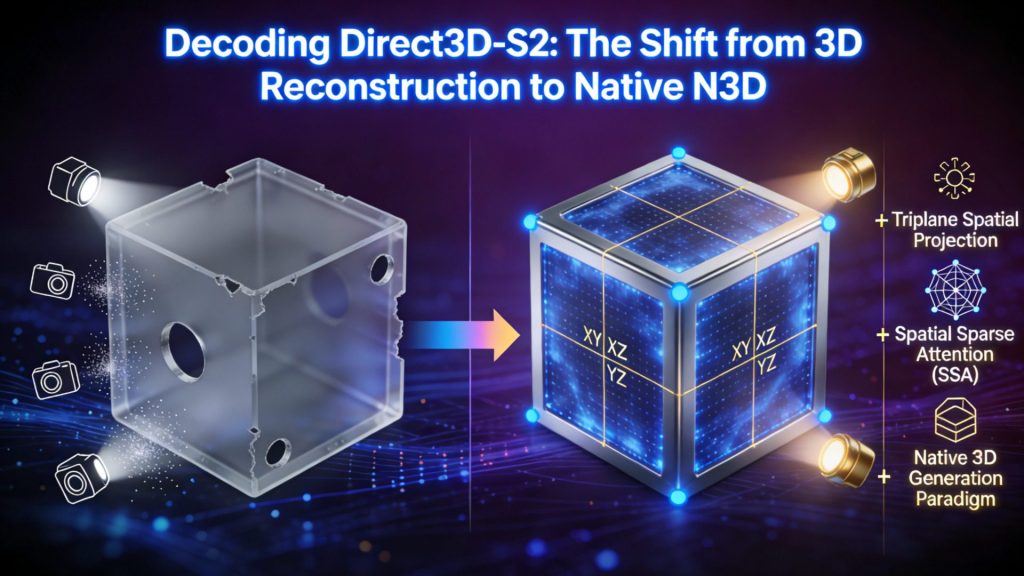
Neural4D’s 3D features accept a text prompt or a single reference image. The Direct3D-S2 architecture, from research that appeared at NeurIPS 2025, reconstructs geometry natively, and Spatial Sparse Attention delivers inference around 12 times faster than industry-standard models. An untextured base mesh arrives in about 90 seconds; with standard or full PBR textures the total is 2 minutes or more. Output is watertight, which means it is ready for a 3D printer or a game engine without manual hole-patching, and clean topology keeps the model editable.
💡 The honest framing
AI 3D generation is not faster manual modeling. It is a different stage of the pipeline. You still make the creative decisions: what to build, which result to keep, and how to finish it. Neural4D simply compresses the months of base-work into minutes, so the craft hours you have go further. The Niu Lai story is proof that people love what hands can do. Neural4D exists to give more hands more time.
Two entry points cover most use cases. Image to 3D reconstructs geometry from a single photo, which suits characters, props, and reference-driven assets. Text to 3D builds a prototype directly from a written description, which suits concept exploration and early-stage design. Both export formats your existing pipeline can use, from .glb and .fbx to .stl and .usdz.
Consider the scenarios. An indie developer needs a consistent hero character in a week, not a quarter. A 3D printing hobbyist wants a printable model without learning retopology. A concept artist wants ten blockouts before lunch to find the one worth refining. Each of them keeps manual skills in the loop, and each of them uses AI to shrink the part of the job that is pure labor.
Part 6: Common Questions on Niu Lai and Manual vs AI 3D Modeling
Q: Is the Niu Lai movie really made without AI?
Yes. Media coverage, including the BBC’s report on the Niu Lai movie, describes Niu Lai as made entirely by hand. Xin Yumeng and Sun Lifang wrote, modeled, animated, voiced, and edited the film themselves over roughly five years, using second-hand hardware. No AI tools were used in its production, which is exactly why the film became a talking point in the manual vs AI 3D modeling debate.
Q: Why did it take the Niu Lai team five years to finish the film?
Two people produced an entire feature-length animated film on their own: every model, texture, rig, animation pass, and sound cue. A single detailed character can take an artist one to three weeks, and a film contains thousands of assets. With no pipeline, no studio budget, and no AI, that workload naturally stretched into years. The timeline is not inefficiency, it is a two-person studio compressing a studio-scale project.
Q: Is AI 3D modeling replacing manual 3D modeling?
Not in practice, and the 2026 industry consensus is a hybrid pipeline. AI produces first drafts, background props, and mass assets quickly, while artists handle art direction, retopology, hero assets, and the final quality pass. The Niu Lai audience reaction adds a cultural data point: human-made work carries a value audiences respond to that AI cannot replicate, so manual skills keep their place in the loop.
Q: How much does manual 3D modeling cost compared with AI 3D modeling?
A freelance textured model typically costs $200 to $400, and a photorealistic hero asset can exceed $1,000. AI 3D generation tools charge roughly $10 to $20 per month, or fractions of a cent per model on credit-based systems. The cost difference is 100x or more at scale, but manual artists deliver bespoke, art-directed results, which is why studios still budget for them on hero work.
Q: What are the main limits of AI 3D generators right now?
AI output still struggles with clean, editable topology and precise UV maps, and generated meshes are often much denser than engine-ready geometry requires. Free-form organic surfaces, consistent characters, and hero assets under strict art direction usually need manual cleanup before they can ship. Treat AI output as a strong first draft, not a final asset.
Q: Should I still learn manual 3D modeling if I use AI tools?
Yes, because manual skills are the quality control layer of any AI-assisted workflow. Knowing how to sculpt, retopologize, UV map, and texture lets you judge, fix, and art-direct AI output instead of accepting it. The strongest workflow in 2026 combines both: AI generates the base fast, and your craft decides whether the result is usable or thrown out.
Create in Hours, Not Years
Niu Lai Movie is a celebration of what two people can make with their hands, and that is worth keeping in mind no matter what tools you use. The lesson is not that manual 3D modeling is obsolete. It is that the barrier between a creator and a finished 3D scene is time, and time is now a variable you can control. AI 3D modeling does not erase craft, it gives craft more room to work.
Take the idea you have been sitting on. Turn a reference photo into a base model with Neural4D’s Text to 3D, refine it with the skills that manual modeling teaches, and ship something that took days instead of years. The audience that cheered a handmade ox is the same audience that will notice the care in your work.
Make Your Own 3D Story Without the Five-Year Wait
Generate clean, watertight 3D models from text or a single image, then finish them with your own craft.
50 free generations every week, full commercial rights on paid plans
Share Your Creation
Tag @Neural4D and use #Neural4D to be featured on our channel.